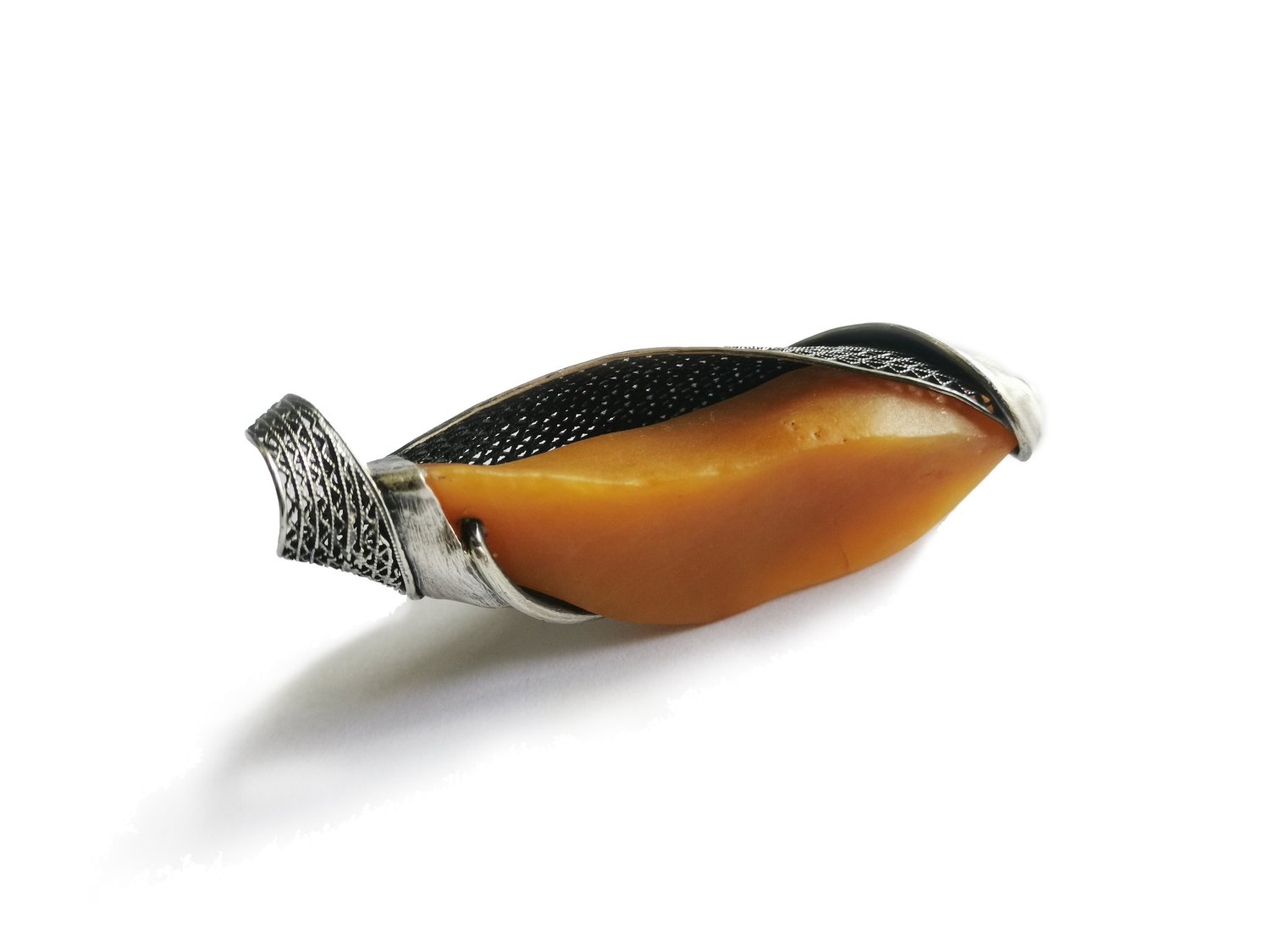
Choose the Stone
Choose by color first, since necklace stones are seen from a distance and color reads before detail. Then check hardness for daily wear.
Birthstones, zodiac stones, and meaningful stones all suit necklaces, since necklaces carry personal stories well.
Setting Styles
Bezel settings protect stone edges and suit daily wear, while prong settings show more stone and suit occasions.
Halo settings add sparkle around a colored stone, while simple solitaire settings let the stone color lead.
Length and Layering
Princess length suits most gemstone pendants, since it places the stone at the collarbone where it shows clearly.
Gemstone necklaces layer well with plain chains, since the colored stone becomes the focal point of the stack.
Design Steps
Start with stone, then setting, then metal, then length. Each step narrows the next and keeps the design coherent.
Confirm stone disclosure, treatment, setting type, metal, length, and clasp before ordering, since custom necklaces may have different terms.
Design Your Own Gemstone Necklace FAQ
What gemstone suits a daily necklace?
Hard stones such as sapphire and diamond suit daily necklaces. Softer stones suit occasional wear.
Bezel or prong setting for gemstones?
Bezel protects edges best for daily wear, while prong shows more stone for occasions.
What length suits a gemstone pendant?
Princess length at the collarbone suits most pendants and shows the stone clearly.
Should gemstone treatment be disclosed?
Yes. Treatment affects value and sometimes care, so ask for disclosure for the specific stone.