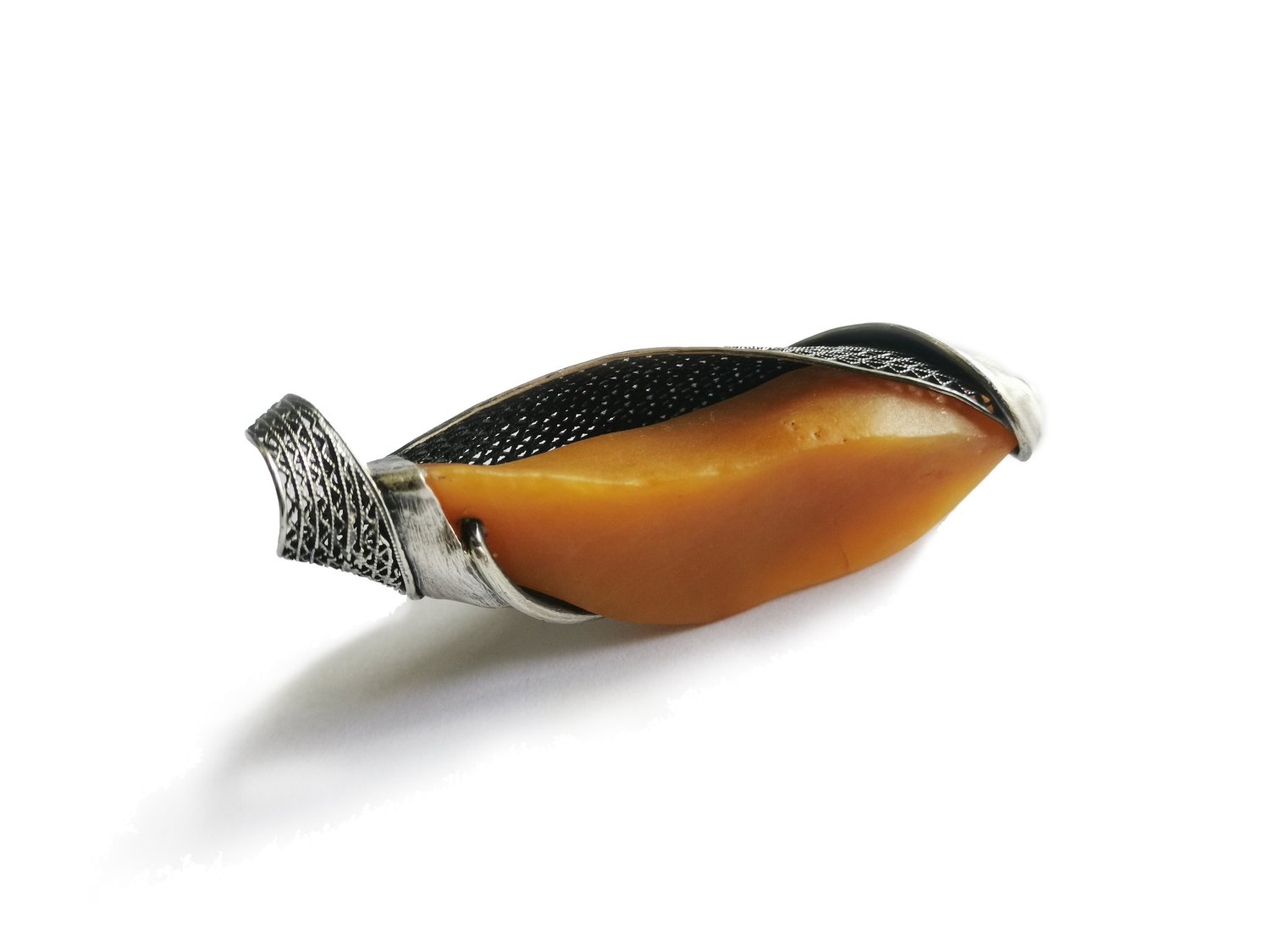
About Opal
Opal is a hydrated silica stone known for play of color, flashes of rainbow color that move as the stone turns. October birthstone opals include white, black, and fire opals.
Opal has been prized since ancient Rome, when it symbolized hope and purity, and it remains one of the most distinctive birthstones.
Play of Color
Play of color comes from light diffracting through tiny silica spheres inside the stone. Strong, broad flashes across the face-up view value most.
Black opals show play of color against a dark body, which makes flashes stand out, while white opals show play against a light body.
Durability and Wear
Opal rates 5.5 to 6.5 on the Mohs scale and contains water, so it is softer and more fragile than most birthstones.
Opal suits pendants and earrings best. Daily opal rings need protective settings and gentle wear, and opal should avoid sudden temperature changes and drying.
Choosing and Caring
Choose opal by play of color face-up in natural light, preferring broad flashes over pinpoint sparkles, and check for cracks before buying.
Keep opal away from harsh chemicals and ultrasonic cleaners, store it away from drying heat, and wipe it gently after wear.
October Birthstone: Opal FAQ
What is October birthstone?
Opal, known for play of color, plus tourmaline in modern lists.
Can opal be worn daily?
Pendants and earrings yes. Daily rings need protective settings and gentle wear, since opal is soft and fragile.
What is play of color?
Rainbow flashes that move as the stone turns, caused by light diffracting through tiny silica spheres inside opal.
How do I care for opal?
Avoid harsh chemicals, ultrasonic cleaners, sudden temperature changes, and drying heat. Wipe gently after wear.